


Welcome to a new issue of the Unlocking Real Estate Value newsletter. Each week I will provide you with exclusive advice and professional insights to help you realise long-term value through real estate development.
January Offer: 5 days left to claim your 50% discount!
Until 31 Jan, get 50% off a 3-month subscription. Cancel anytime.
Click below, the discount applies automatically.
Free subscribers just upgrade to the paid tier to claim it:
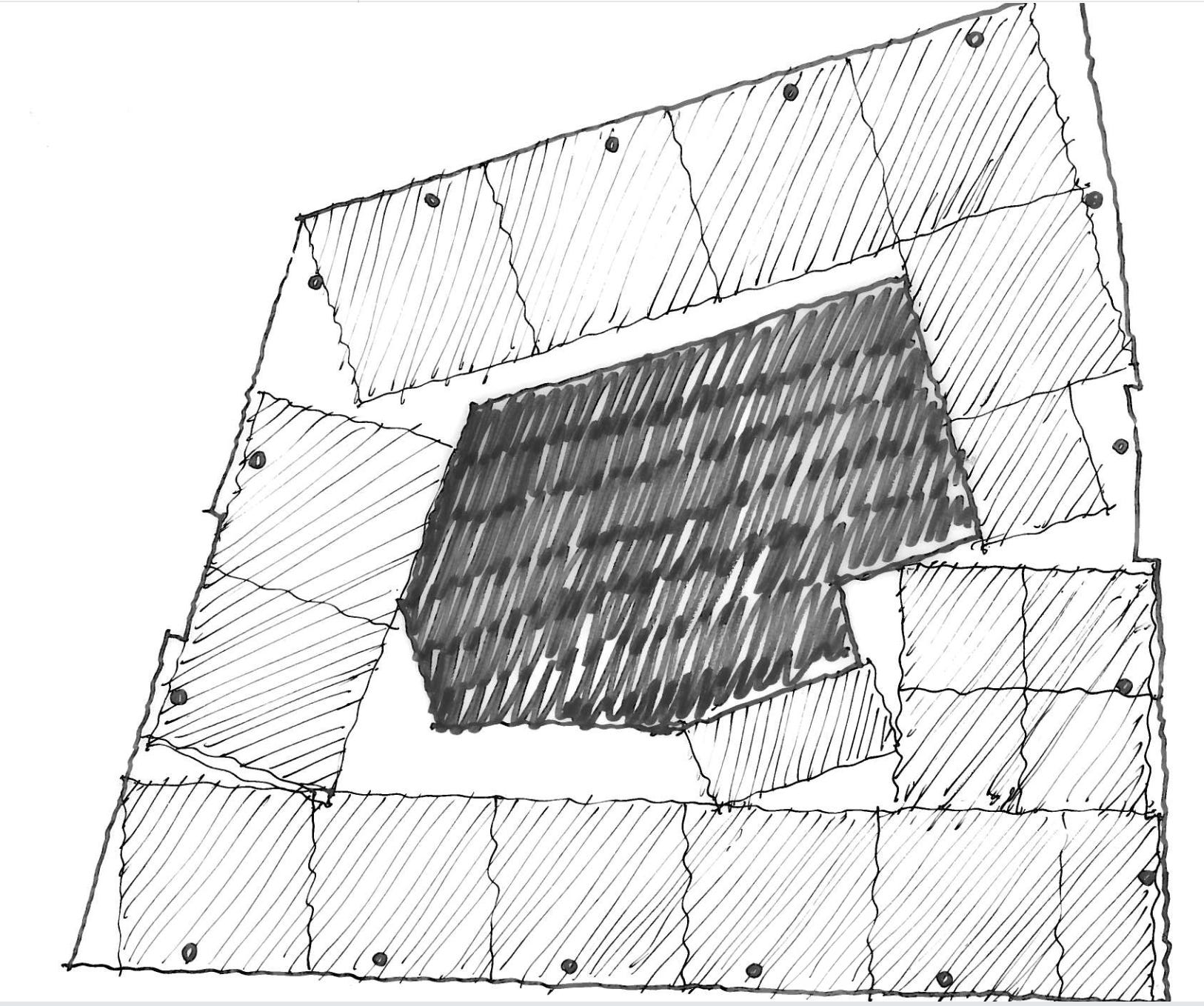
In University at The Bartlett (University College London) I picked up a copy of a magazine titled “The Architect as Developer.” I was fascinated by architects who chose sites, built business plans and created products.
That idea stuck with me.
Sixteen years later, I’ve worked on both sides, as an architect and in development for firms like Brookfield and Lendlease.
I’ve learned that design training doesn’t hold you back in development.
It gives you an edge.
In this newsletter, I’ll share three lessons from my journey:
Architecture school teaches design but ignores the business of real estate.
Sitting in the client’s chair changes how you see architects.
Design fluency turns into commercial Alpha when you control the brief.
Let’s begin.
Lesson 1: Architecture school teaches design but ignores the business of real estate.
I was proud to do my postgraduate studies at The Bartlett, still ranked the number one architecture school globally. I spent two years learning to articulate design narratives and convey ideas as clearly as possible. The first year was tough, but in the second year, I had my epiphany and cruised.
But the real world was something else. I wasn’t prepared for it.
In practice, I completed tasks on time without questioning. I felt like a draftsman. The jacket felt tight. I kept thinking back to those lunchbreak conversations with a colleague about architecture and development, and that magazine I picked up about architects who controlled the whole process.
Architects who never question this stay in their own bubble.
Often ,they remain convinced that Clients have the money and should pay to realise their ideas.
I think this misses the opportunity to make an impact and to work together to build better, commercially viable buildings.
The mini transformation was realising that there was much more beyond architecture.
The Bartlett taught me to design, but largely ignored everyone else in the world’s biggest industry.
Lesson 2: Sitting in the client’s chair changes how you see architects.
About 16 years ago, I got the call to move to the “dark side” (as seen by Architects) of Real Estate, Brookfield.
I didn’t have a clue what I was getting into.
In my mind, initially, I was worried that I was dropping out of architecture for something bigger than me.
I never looked back. Suddenly, I was sitting in the client’s shoes, sharing the table with some of the best architects globally.
But I had to learn that being the client meant calling the shots. I had to make sure their output matched the interests of the business.
Mentally, that took time. I admired their work, but I had to give myself permission to be their critic.
Frankl,y I was intimidated, telling accomplished architects to change an idea.
But I never really overruled. I learned how to orchestrate outcomes.
I explained why we had to take a different path and worked with them to get there. It was influence, not clashing.
The transformation: I went from admirer to collaborator with authority. That shift took years, but it’s what separates design managers from development managers.
Lesson 3: Design fluency turns into commercial Alpha when you control the brief.
I always had an identity crisis as an architect working for developers. There’d be banter about architects just spending money and designing unbuildable buildings. I wanted to hide the word “Design” so people knew I was a developer now.
But reality is I’m both.
And how can you be a developer if you don’t understand how the product is conceived and built, from design to economics to construction to how it’s sold?
On a major office scheme at the edge of the City of London, I reworked the building's core hands-on.
I sketched with the team, understood the technical issues, and interrogated every solution. The result: floorplate efficiency improved from 82% to 85%.
That 3% meant more net lettable area, reduced common parts, and a product with a clearer architectural identity. It accelerated lease-up and improved investor appeal.
A Developer without design fluency is at the mercy of the design team. He operates in a reactive mode, firefighting problems instead of anticipating solutions. He needs the team to present options before he can act.
The problem: if there’s an issue with a proposal, backtracking is painful and costly.
This takes me back to the Italian Master Builders of the Renaissance, client, architect, engineer, and builder in one.
To me that’s what a developer is. But without a design vision, there’s no development.
Design fluency is the Alpha.
Conclusion
Architectural training isn’t a detour from development. It’s a competitive advantage. The edge comes from understanding how products are made, not just how they’re financed.
Key takeaways:
Architecture school teaches design but ignores business. Seek the broader picture early.
Transitioning to the client side requires a mental shift from admirer to collaborator with authority.
Design fluency creates measurable commercial value: efficiency gains, product quality, and faster lease-up.
You don’t have to choose between designer and developer. Be both.
That’s all for today.
See you next week.
— Carlo
Founder and Managing Director Benigni
Related Articles:
Sanity check your Development Project with me.
I can help you with planning and real estate insights:
Market Insights: Understand key trends in office, hospitality, and residential markets.
Project Strategy: Optimize your budget, check feasibility, get approvals, and choose the right team.
Sustainability: Use Environmental, Social, and Governance (ESG) strategies to attract tenants and investors.
Risk Management: Tackle challenges like rising costs and regulatory issues effectively.
More ways I can help you
And whenever you’re ready, there are 3 ways I can help you:
Do you need help focusing the development strategy for a project?
I can help you brainstorm a development strategy or provide real estate market advice:
Tools and Resources to help you make smarter real estate investment decisions:
Refer a Colleague
PS…If you’re enjoying this newsletter, please consider referring this edition to a friend or a colleague. Sharing valuable insights helps everyone make better investment decisions.
This post is sponsored by Benigni a specialist development manager working with international investors to realise long-term value through optimised development strategies. To learn more click this link to our website.

Subscribe to the Newsletter
A newsletter by Carlo Benigni providing, in less than 4 minutes, exclusive advice, strategies, and resources to help unlock hidden real estate value.
Subscribe for free to receive new posts and support my work.